Spherical Graphite vs. Flake Graphite: An Overview of the Characteristics and Applications of These Two Graphite Products

Spherical Graphite vs. Flake Graphite: An Overview of the Characteristics and Applications of These Two Graphite Products

Update: 08-Jun-2026

Flake graphite and spherical graphite are two common graphite products with significantly different properties. Flake graphite is derived directly from natural ore and retains its original flaky crystal structure, whereas spherical graphite is produced from flake graphite through further processing to alter the particle morphology. This article will introduce the characteristics and typical applications of these two products.


Flake graphite and spherical graphite are two common graphite products with significantly different properties. Flake graphite is derived directly from natural ore and retains its original flaky crystal structure, whereas spherical graphite is produced from flake graphite through further processing to alter the particle morphology. This article will introduce the characteristics and typical applications of these two products. Flake graphite possesses a natural flaky structure, with irregularly shaped particles characterized by a high aspect ratio. Its advantages include high-temperature resistance, excellent electrical and thermal conductivity, and chemical stability. Key technical indicators include fixed carbon content and mesh size (particle size). In terms of applications, flake graphite is widely used in refractory materials (such as magnesia-carbon bricks and crucibles), brake pads and friction materials, casting coatings, and as a raw material for producing spherical graphite. Our annual production capacity for flake graphite exceeds 120,000 tons, covering a wide range of specifications from 32 mesh to 325 mesh. Spherical graphite is a product manufactured from high-purity flake graphite through processes of pulverization, shaping, and precision classification. Its particles are ellipsoidal to spherical in shape, with smooth surfaces. Key performance indicators include tapped density (≥1.0 g/cm³), specific surface area (≤5 m²/g), and particle size distribution D50 (typically 15–20 μm). In terms of applications, spherical graphite is a key raw material for lithium-ion battery anodes and is also used in high-end conductive materials and specialty carbon products. Our annual production capacity for spherical graphite exceeds 60,000 metric tons, primarily serving the new energy vehicle and energy storage battery industries. Flake graphite and spherical graphite share the same origin but differ in form. Flake graphite is a basic product used directly in traditional industries, while spherical graphite is a value-added product derived from flake graphite, serving the new energy sector. As a manufacturer producing both products, we possess a complete industrial chain spanning from ore to flake graphite and on to spherical graphite.


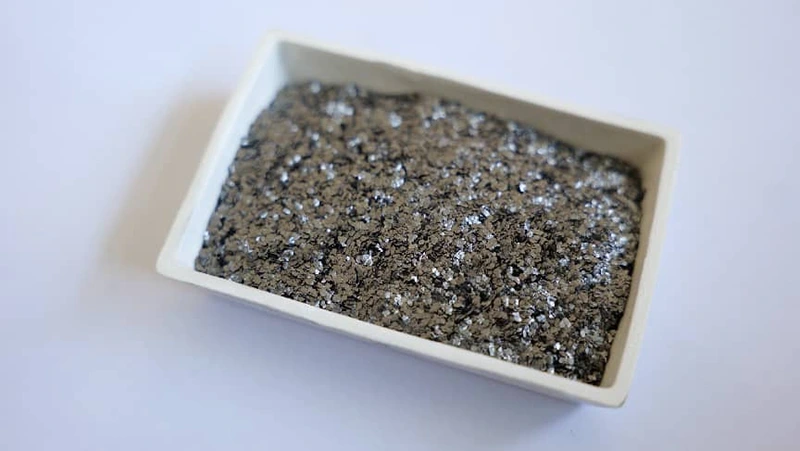
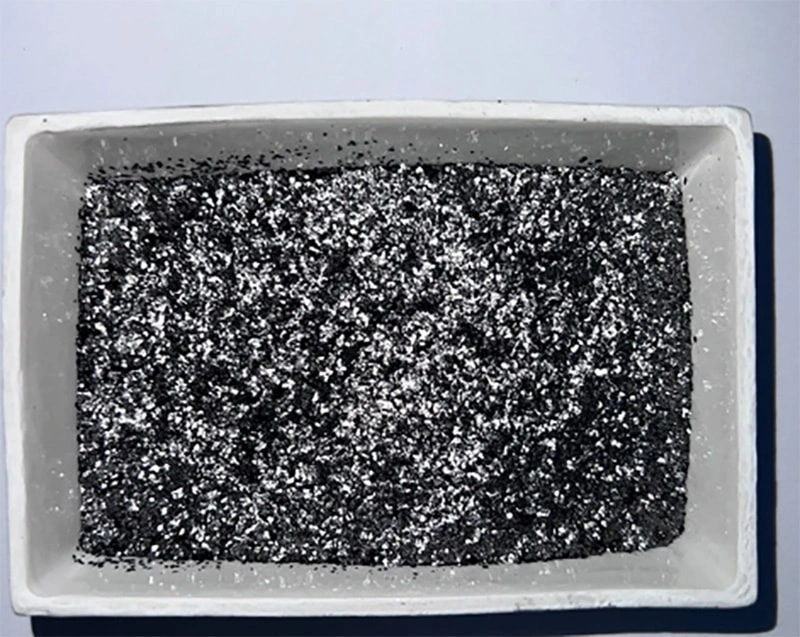
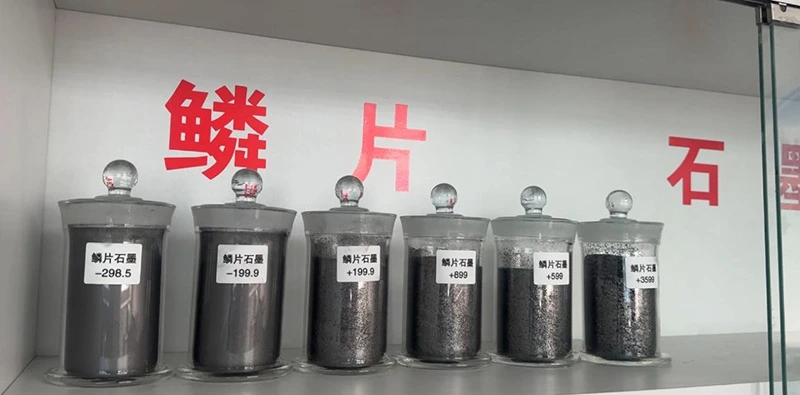
Flake graphite possesses a natural flaky structure, with irregularly shaped particles characterized by a high aspect ratio. Its advantages include high-temperature resistance, excellent electrical and thermal conductivity, and chemical stability. Key technical indicators include fixed carbon content and mesh size (particle size). In terms of applications, flake graphite is widely used in refractory materials (such as magnesia-carbon bricks and crucibles), brake pads and friction materials, casting coatings, and as a raw material for producing spherical graphite. Our annual production capacity for flake graphite exceeds 120,000 tons, covering a wide range of specifications from 32 mesh to 325 mesh.
 

Flake graphite and spherical graphite are two common graphite products with significantly different properties. Flake graphite is derived directly from natural ore and retains its original flaky crystal structure, whereas spherical graphite is produced from flake graphite through further processing to alter the particle morphology. This article will introduce the characteristics and typical applications of these two products. Flake graphite possesses a natural flaky structure, with irregularly shaped particles characterized by a high aspect ratio. Its advantages include high-temperature resistance, excellent electrical and thermal conductivity, and chemical stability. Key technical indicators include fixed carbon content and mesh size (particle size). In terms of applications, flake graphite is widely used in refractory materials (such as magnesia-carbon bricks and crucibles), brake pads and friction materials, casting coatings, and as a raw material for producing spherical graphite. Our annual production capacity for flake graphite exceeds 120,000 tons, covering a wide range of specifications from 32 mesh to 325 mesh. Spherical graphite is a product manufactured from high-purity flake graphite through processes of pulverization, shaping, and precision classification. Its particles are ellipsoidal to spherical in shape, with smooth surfaces. Key performance indicators include tapped density (≥1.0 g/cm³), specific surface area (≤5 m²/g), and particle size distribution D50 (typically 15–20 μm). In terms of applications, spherical graphite is a key raw material for lithium-ion battery anodes and is also used in high-end conductive materials and specialty carbon products. Our annual production capacity for spherical graphite exceeds 60,000 metric tons, primarily serving the new energy vehicle and energy storage battery industries. Flake graphite and spherical graphite share the same origin but differ in form. Flake graphite is a basic product used directly in traditional industries, while spherical graphite is a value-added product derived from flake graphite, serving the new energy sector. As a manufacturer producing both products, we possess a complete industrial chain spanning from ore to flake graphite and on to spherical graphite.


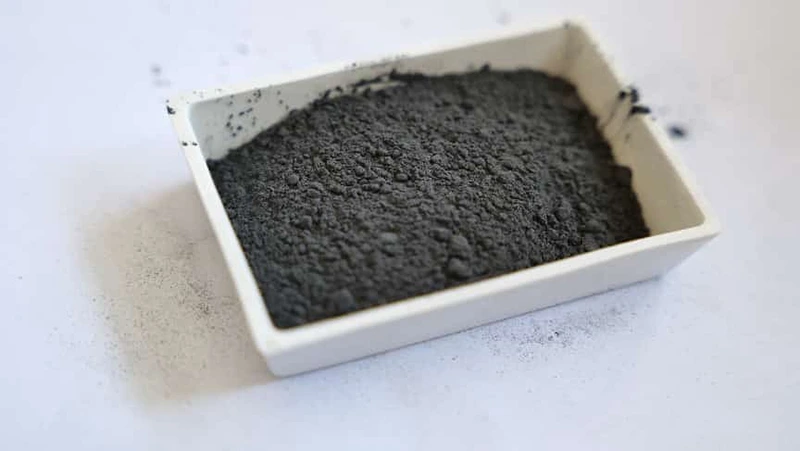
Spherical graphite is a product manufactured from high-purity flake graphite through processes of pulverization, shaping, and precision classification. Its particles are ellipsoidal to spherical in shape, with smooth surfaces. Key performance indicators include tapped density (≥1.0 g/cm³), specific surface area (≤5 m²/g), and particle size distribution D50 (typically 15–20 μm). In terms of applications, spherical graphite is a key raw material for lithium-ion battery anodes and is also used in high-end conductive materials and specialty carbon products. Our annual production capacity for spherical graphite exceeds 60,000 metric tons, primarily serving the new energy vehicle and energy storage battery industries.

Flake graphite and spherical graphite share the same origin but differ in form. Flake graphite is a basic product used directly in traditional industries, while spherical graphite is a value-added product derived from flake graphite, serving the new energy sector. As a manufacturer producing both products, we possess a complete industrial chain spanning from ore to flake graphite and on to spherical graphite.

Chat With Us
WhatsApp Chat